
24
Weeks of structured learning
12
Cultural cuisine traditions covered
160+
Hours of hands-on practice
8
Guest chefs from different countries
How We Actually Teach This
Most cooking courses throw recipes at you and hope something sticks. We don't do that. Our approach is about building real understanding — the kind that lets you adapt, improvise, and create your own versions of traditional dishes.
Each cuisine module runs for two weeks. First week is all about context: history, ingredients, techniques specific to that region. Second week is practical work where you apply what you've learned through guided sessions.
What You'll Actually Learn
The program covers twelve distinct culinary traditions. We rotate which cuisines we cover each cohort based on instructor availability and seasonal ingredient access. Here's what recent cohorts worked through:
Southeast Asian Foundations
Thai, Vietnamese, and Malaysian cooking techniques. Balance of flavors, curry paste preparation, proper use of fresh herbs, and noodle dish fundamentals.
Mediterranean Traditions
Greek, Turkish, and Levantine cuisines. Mezze preparation, phyllo work, proper grilling methods, and understanding regional olive oil differences.
East Asian Techniques
Chinese regional cooking, Japanese washoku principles, Korean fermentation. Wok mastery, dashi preparation, and kimchi varieties.
Indian Subcontinent
North and South Indian cooking methods. Spice blending, tandoor alternatives, regional bread making, and curry construction from scratch.
Latin American Flavors
Mexican, Peruvian, and Brazilian dishes. Proper tortilla making, ceviche techniques, understanding chili varieties, and traditional slow-cooking methods.
North African & Middle Eastern
Moroccan tagines, Persian rice dishes, Egyptian comfort food. Working with preserved lemons, rose water, pomegranate molasses, and aromatic spice blends.
Who Teaches These Courses
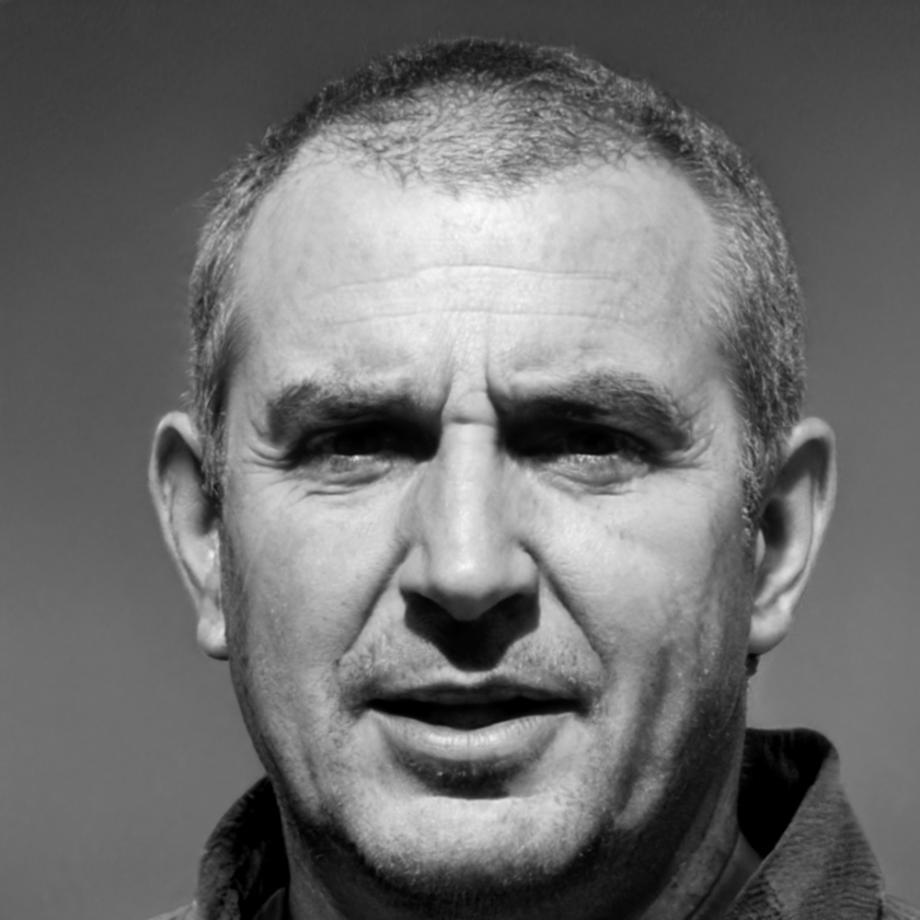
Dimitris Voulgarakis
Southeast Asian Cuisine
Spent seven years cooking in Bangkok and Chiang Mai before returning to Greece. His approach focuses on understanding ingredient substitutions without losing authenticity.
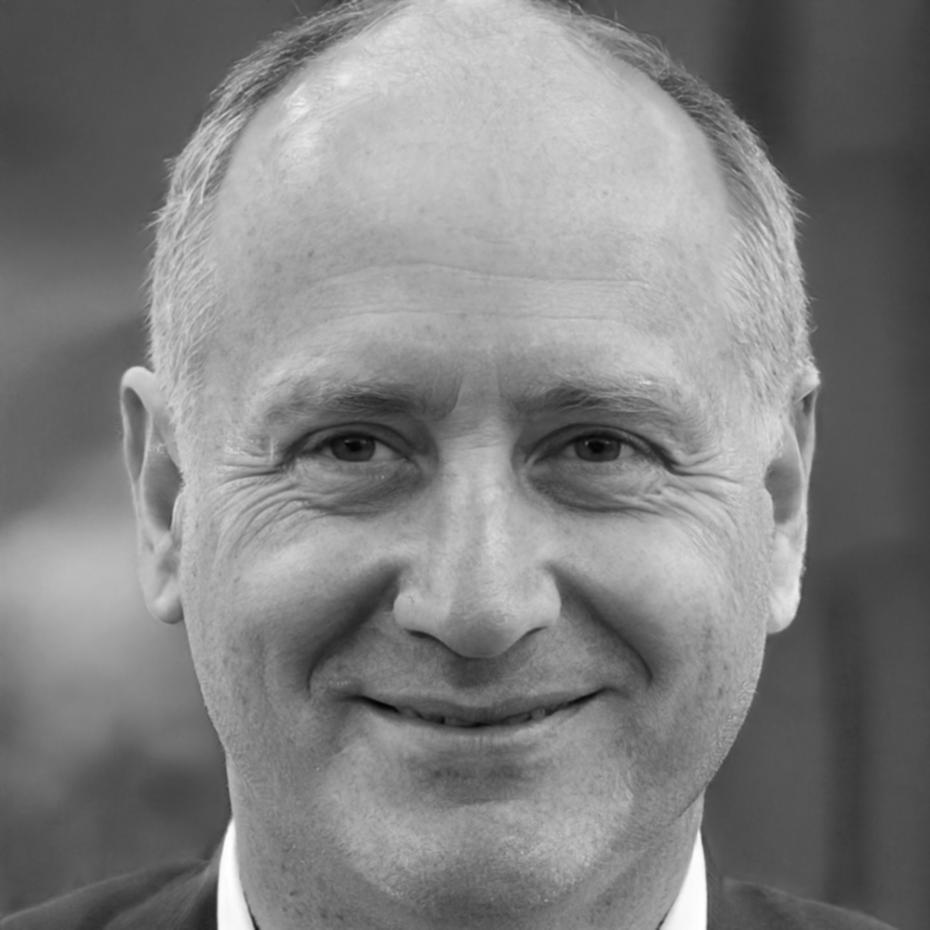
Aleksander Novák
Mediterranean & Middle Eastern
Grew up between Istanbul and Athens. He teaches how to recognize quality ingredients and adapt traditional recipes to what's available in European markets.
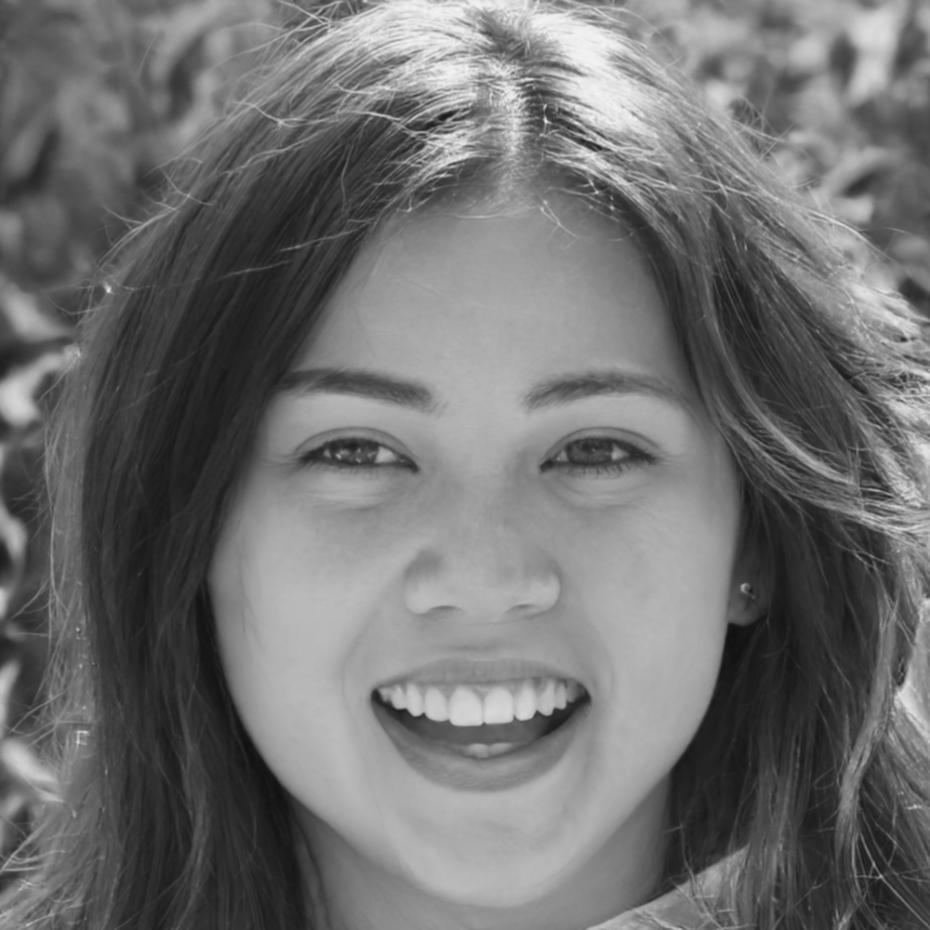
Elara Sørensen
Latin American Traditions
Trained in Mexico City and Lima. She emphasizes the science behind fermentation and preservation techniques common across Latin American cooking.
Next Cohort Details
Our autumn 2025 program begins in October and runs through March 2026. Classes meet twice weekly — Tuesday evenings and Saturday mornings. We cap enrollment at twelve participants to maintain quality instruction.
This isn't a quick certification. It's six months of focused learning with people who are genuinely interested in understanding food culture. Some participants are home cooks wanting to expand their repertoire. Others are considering career changes. A few just love learning about different cultures through cooking.